
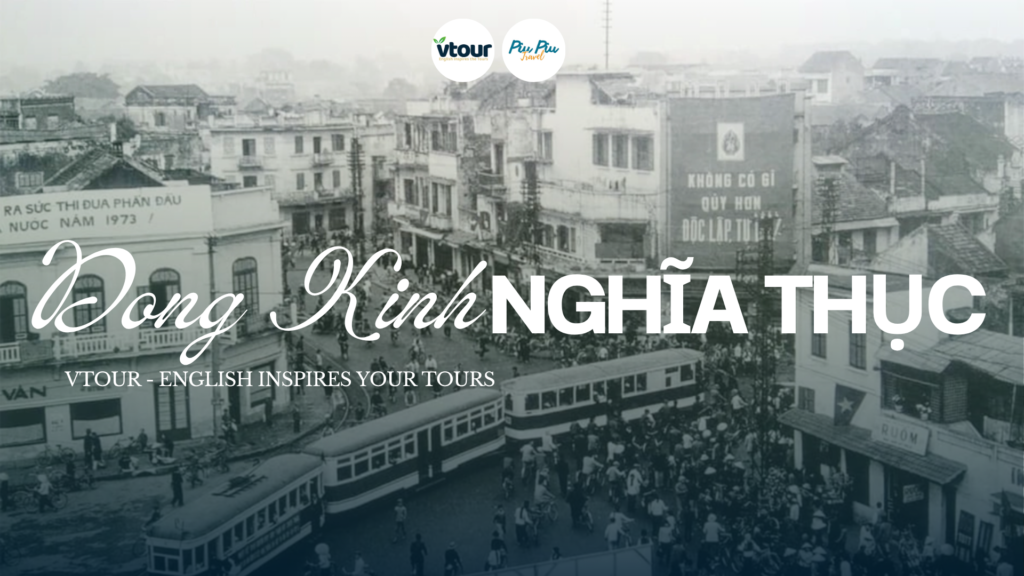
Dong Kinh Nghia Thuc Square is one of Hanoi’s most historically significant landmarks. Sitting at the crossroads of the city’s most vibrant ancient streets in Hoan Kiem District, this square is far more than a lively public space — it is a living witness to over a century of Vietnam’s turbulent and triumphant history.
Whether you’re visiting Hanoi for the first time or returning for another adventure, Dong Kinh Nghia Thuc Square is a must-visit destination that perfectly blends the past and the present in the most captivating way.
1. Where Is Dong Kinh Nghia Thuc Square?
Address: Le Thai To Ward, Hoan Kiem District, Hanoi, Vietnam
The square occupies one of Hanoi’s most coveted positions – the convergence of five iconic streets: Le Thai To, Dinh Tien Hoang, Hang Dao, Hang Gai, and Cau Go. This is essentially the gateway to Hanoi’s legendary 36 ancient streets and the perfect starting point to explore the Old Quarter alongside the serene Hoan Kiem Lake.
2. The History of Dong Kinh Nghia Thuc Square – From “Coconut Garden” to Cultural Icon
Few visitors realize that this now-bustling square was once nothing more than a patch of wasteland dotted with coconut palms along the shores of Hoan Kiem Lake. Locals affectionately called it “Vuon Dua” — the Coconut Garden.
The French Colonial Era (Late 19th Century – 1945)
After occupying Hanoi, French colonial authorities redesigned this area into a European-style public square, naming it Place Négrier after French General Oscar de Négrier. Under French rule, the site took on a dark significance: it became a public execution ground where Vietnamese patriots were put to death, including Tạ Van Dinh and Nguyen Cao, in deliberate acts of intimidation against the local population.
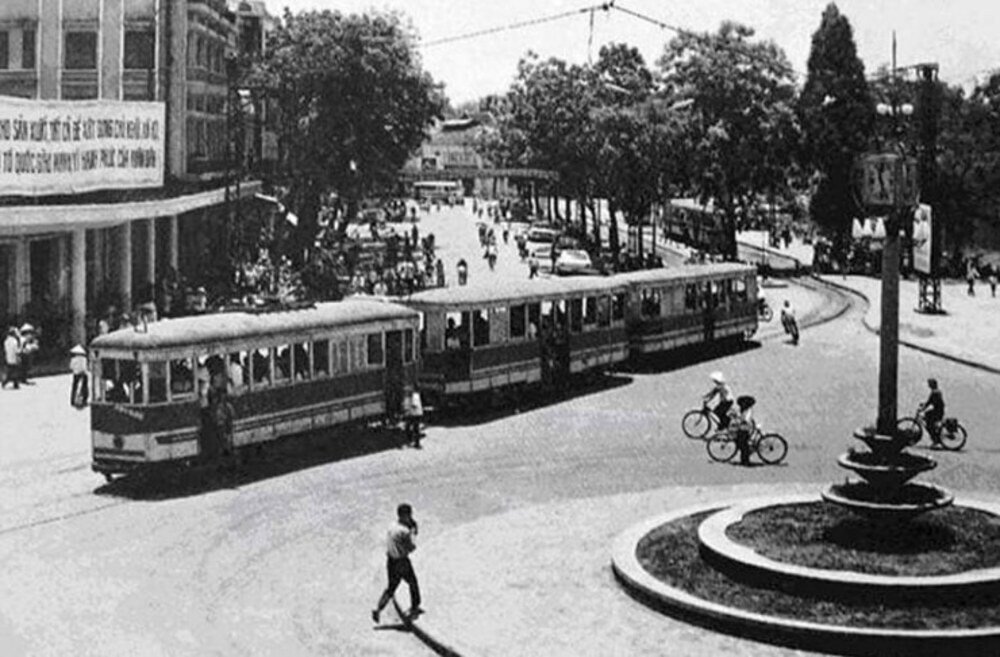
The square later became the central terminus of Hanoi’s tram network — a busy, cosmopolitan hub connecting all corners of the growing colonial city.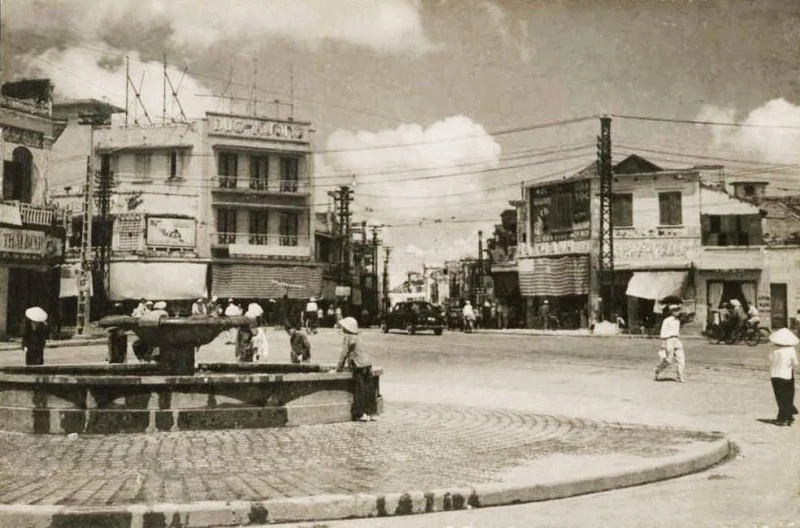
1907 – The School That Sparked a Revolution
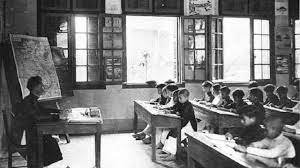
In March 1907, patriot scholars Luong Van Can and Nguyen Quyen founded a school called Dong Kinh Nghia Thuc — a name meaning “School of Righteousness in the Eastern Capital” (Dong Kinh being the old name for Hanoi). The school offered free literacy education in the Vietnamese national script (chu Quoc ngu), organized public lectures, and published newspapers and books to awaken patriotic spirit and promote progressive ideas across Hanoi and neighboring provinces.
Despite its enormous influence, the school was shut down by French authorities after just nine months of operation. Its spirit, however, proved impossible to extinguish and became an enduring symbol of Vietnamese national pride.
1945 – A Square Renamed to Honor Heroes
Following the August Revolution of 1945, Hanoi Mayor Tran Van Lai officially renamed the square from Place Négrier to Dong Kinh Nghia Thuc Square — a tribute to the school’s pivotal role in the anti-colonial resistance and the fight for independence. The name has proudly stood ever since.
3. Dong Kinh Nghia Thuc Square Today – Vibrant, Lively, and Unforgettable
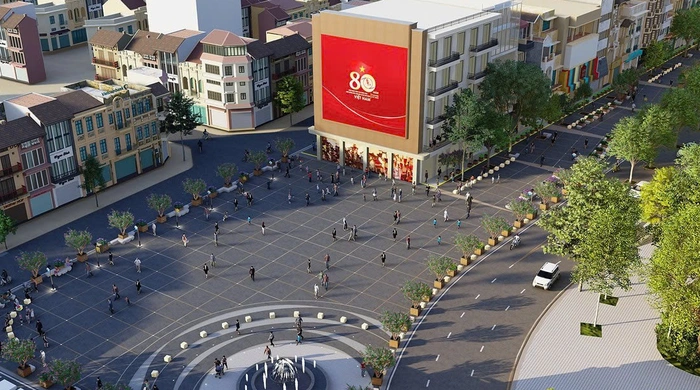
Today, the square is an integral part of Hoan Kiem Walking Street and one of Hanoi’s most beloved gathering places. By day it functions as a traffic roundabout connecting Dinh Tien Hoang, Cau Go, and Ly Thai To streets. Come the weekend, it transforms into a pedestrian paradise buzzing with life.
4. Nearby Attractions Worth Visiting
Thanks to its prime location, Dong Kinh Nghia Thuc Square puts you within easy reach of some of Hanoi’s most celebrated sights:
- Hoan Kiem Lake & Ngoc Son Temple – the mythical lake of the Restored Sword legend, an unmissable Hanoi experience.
- Hanoi Old Quarter (36 Ancient Streets) – a labyrinth of traditional trades, street food, and timeless architecture.
- Hanoi Opera House – a grand colonial-era French building that anchors the city’s cultural life.
- Turtle Tower & Nghien Inkstone – poetic symbols of Hanoi’s thousand-year literary tradition.
- Dong Xuan Market – Hanoi’s largest and most atmospheric market, lively from dawn to midnight.
5. Practical Tips for Visiting Dong Kinh Nghia Thuc Square
Best Times to Visit:
- Early morning (6–8 AM): Fresh air, fewer crowds – perfect for peaceful photos and a quiet morning walk.
- Weekend evenings (8–10 PM): The square is at its most magical – the walking street is in full swing, lights are blazing, and the festive atmosphere is electric.
- Public holidays: Tet (Lunar New Year), January 1st, and National Day (September 2nd) turn the square into a spectacular outdoor stage.
Handy Tips:
- Wear flat, comfortable shoes – you’ll be doing a lot of walking across cobblestones and busy sidewalks.
- Keep your valuables close, especially in crowded areas and during large events.
- Bring cash – many street food vendors and small shops don’t accept card payments.
- For crowd-free photos, arrive before 8 AM or visit on a weekday morning.
Final Thoughts
Dong Kinh Nghia Thuc Square is more than a destination – it’s an experience. Here, century-old history and the pulse of modern Hanoi collide in the most beautiful way. Whether you’re a history enthusiast, a foodie, a photographer, or simply someone who loves soaking up the atmosphere of a great city, this square has something special waiting for you.
Add it to the top of your Hanoi itinerary, and let VTOUR Guide you every step of the way through Vietnam’s extraordinary capital!
Book our free tour guide!
Half-Day Hanoi Highlights and Train Street Experience
Most Popular – Walking Tour – Small Group
(TripAdvisor)Hanoi Private Walking Tour with Egg Coffee Making Experience
Most Popular – Walking Tour – Small Group
(TripAdvisor)Hanoi Old Quarter Walking Tour
Most Popular – Walking Tour – Small Group
(TripAdvisor)